INMO GO3 vs RayNeo iO
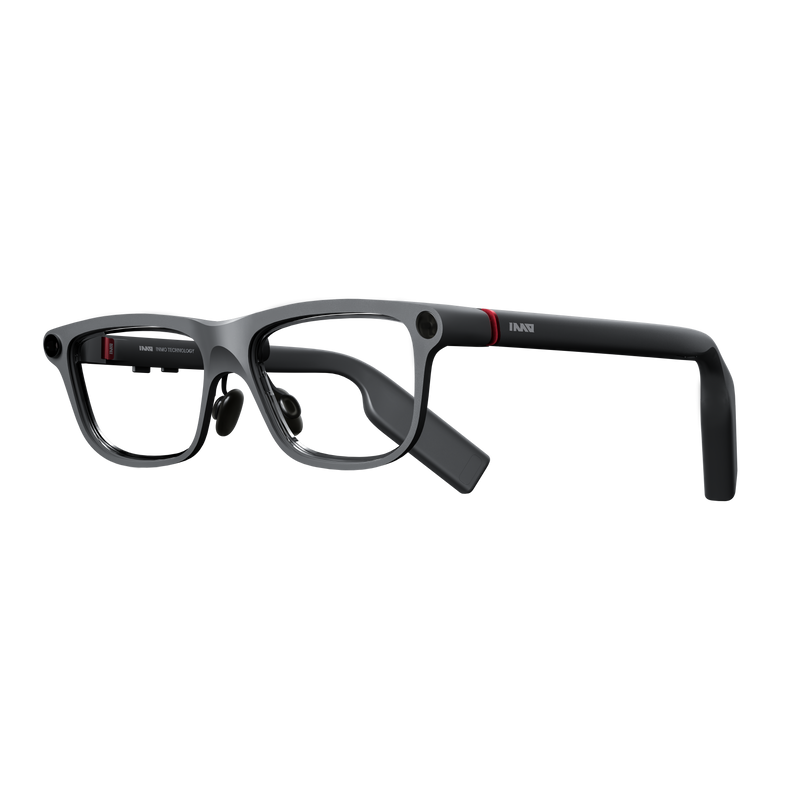
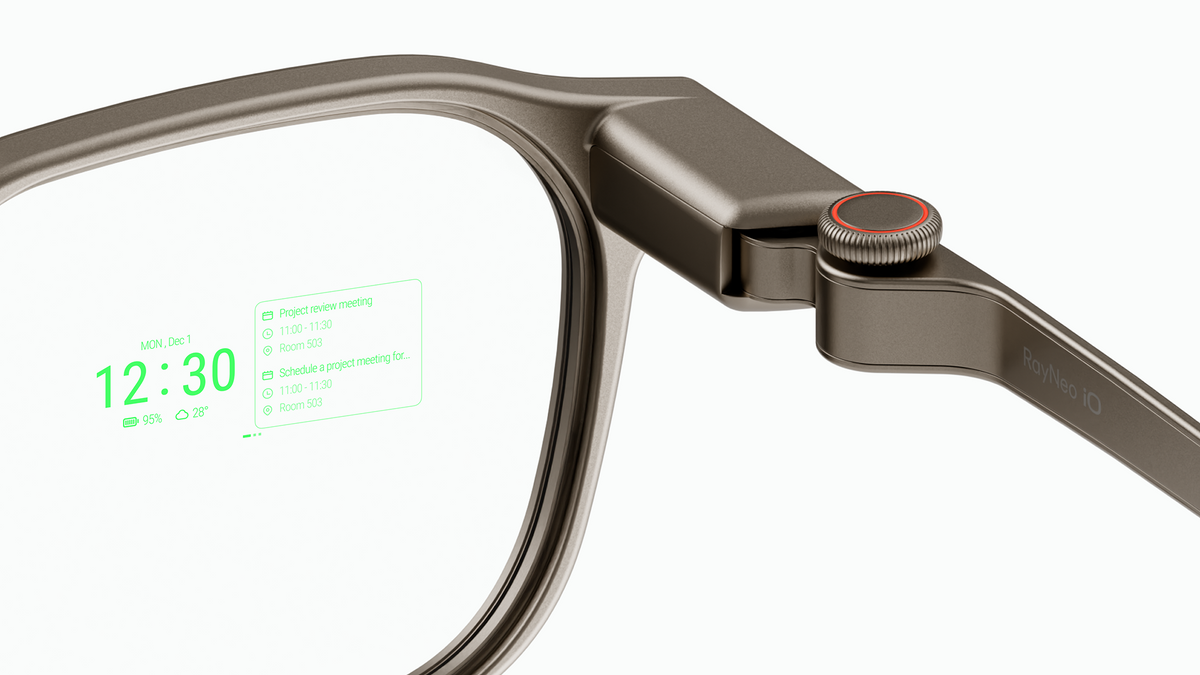
RayNeo iOHigher score
8.5out of 10
Official price: 549 €
Launch offer still active, no end date announced: 499 €. List price: 549 €. With the charging case: 549 € today in the store.
Read the full review| INMO GO3 | RayNeo iO | |
|---|---|---|
| Glaiss score | 7.6 | 8.5 |
| Launch price | 599 $ | 549 € |
| Weight | 58 g | 33 g |
| Type | Everything in your glasses | AI with display |
| Display | Binocular green micro-LED with diffractive waveguide, 640 × 480, 1500 nits | Monochrome green waveguide, 1,300 nits, 97% transparency |
| Field of view | 30° | 23.5° |
| Camera | Yes, resolution not published. Video up to 60 seconds | No camera |
| Battery | — | 48 h |
| AI | INMO’s own assistant | RayNeo AI + Gemini 3.1 Flash Lite (separate monthly tier for ChatGPT, Claude, DeepSeek) |
| Translation | 98 languages online and 9 offline, Spanish among the nine | 55 languages, 109 accents (Timekettle BabelOS 3.0) |
| English | Assistant speaks English · confirmed by the manufacturer | Assistant speaks English · confirmed by the manufacturer |
| Seller warranty | 1 year | 1 year |
Which should you buy?
Both belong to the same family, so here the scores are genuinely comparable.
RayNeo iO wins the overall score by 0.9 points, but that score averages six criteria and you will only use some of them.
INMO GO3 has a camera and RayNeo iO does not. If you want to capture without reaching for your phone, the comparison ends there.
Both have manufacturer-confirmed language support.
RayNeo iO is 25 grams lighter, which you feel on your nose after eight hours.
On price, RayNeo iO is 100 $ cheaper.
RayNeo iOHigher score
8.5out of 10
Official price: 549 €
Launch offer still active, no end date announced: 499 €. List price: 549 €. With the charging case: 549 € today in the store.
Read the full review