Everything in your glasses




















































Articles
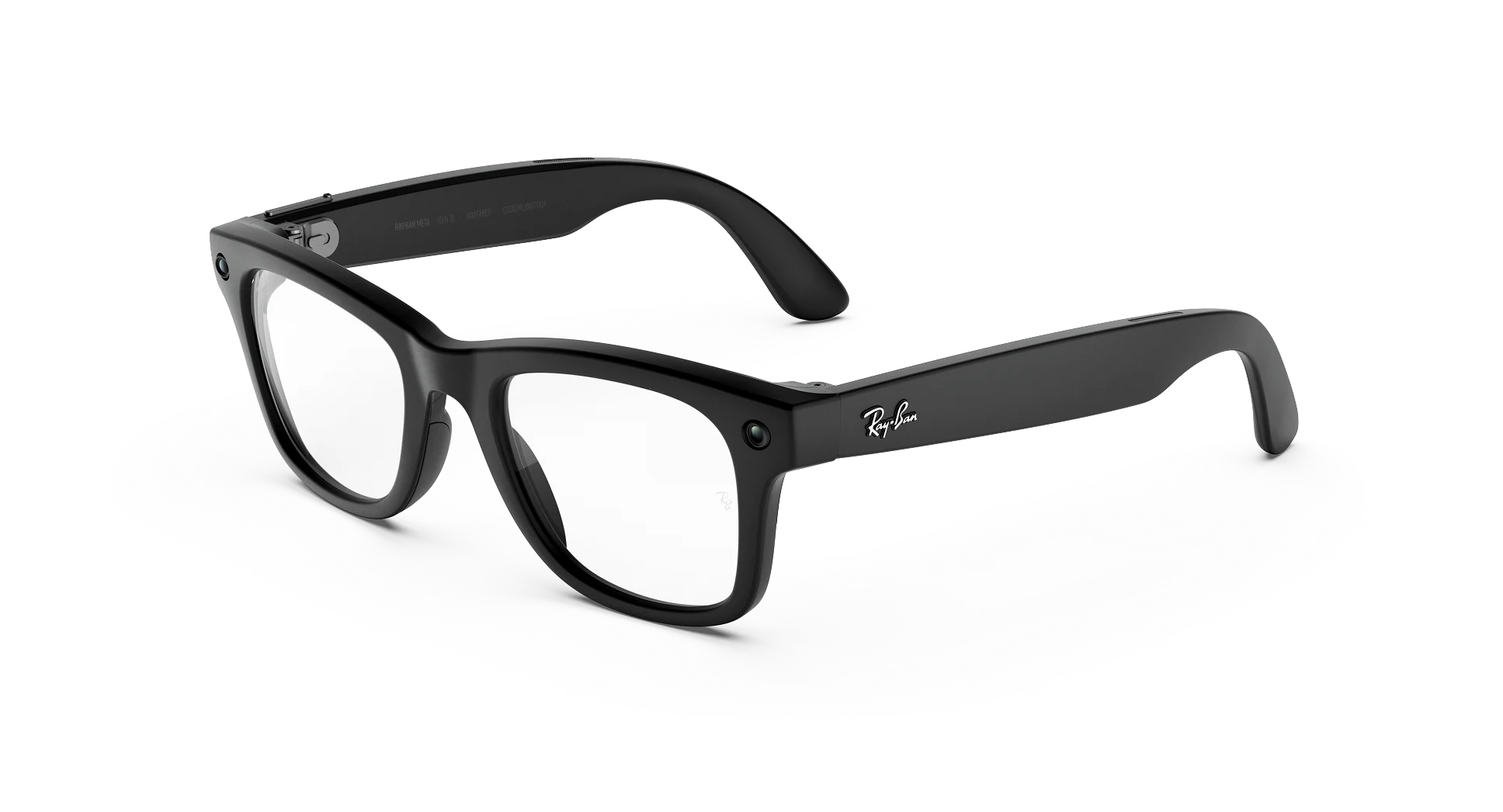
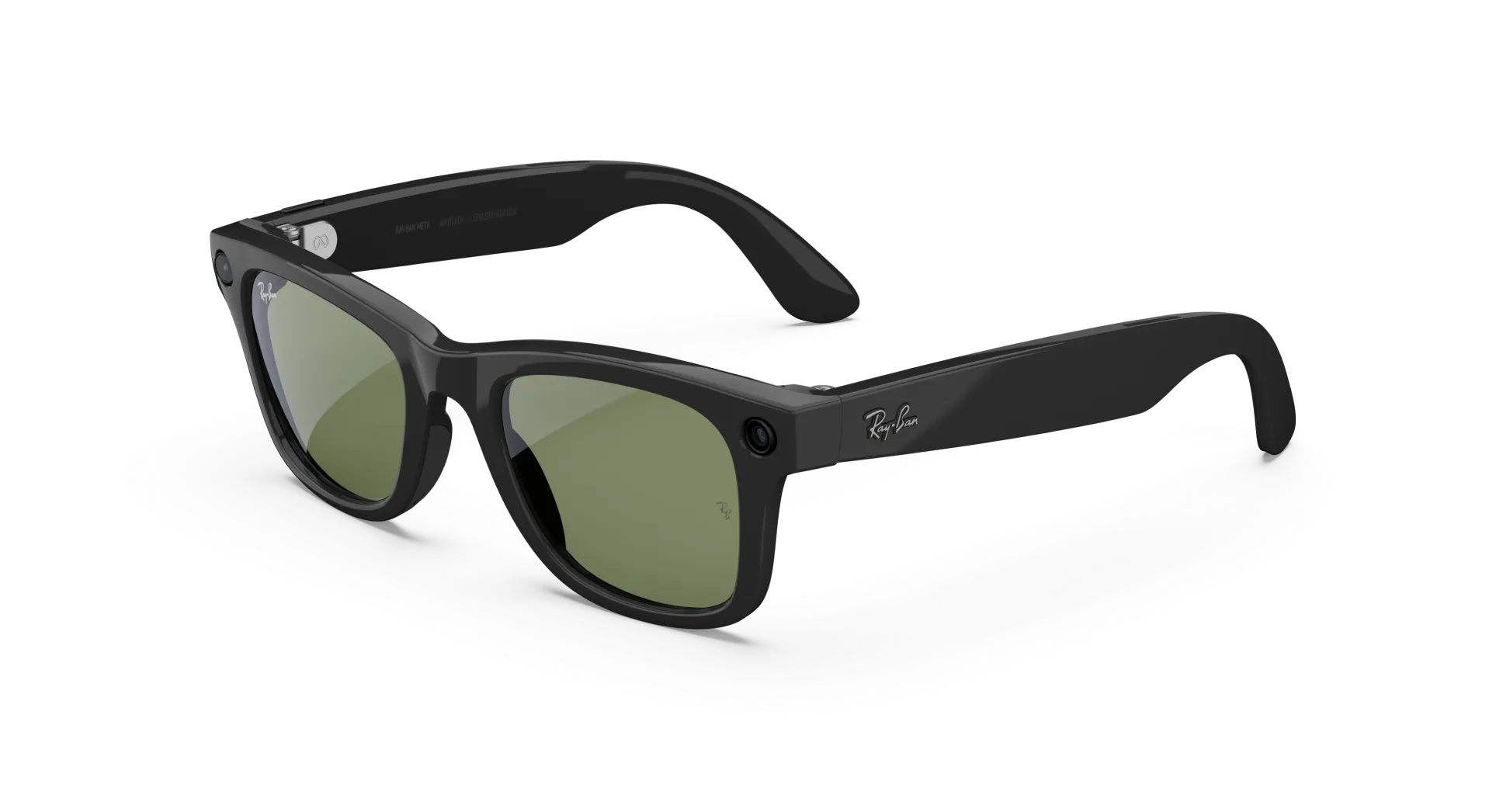
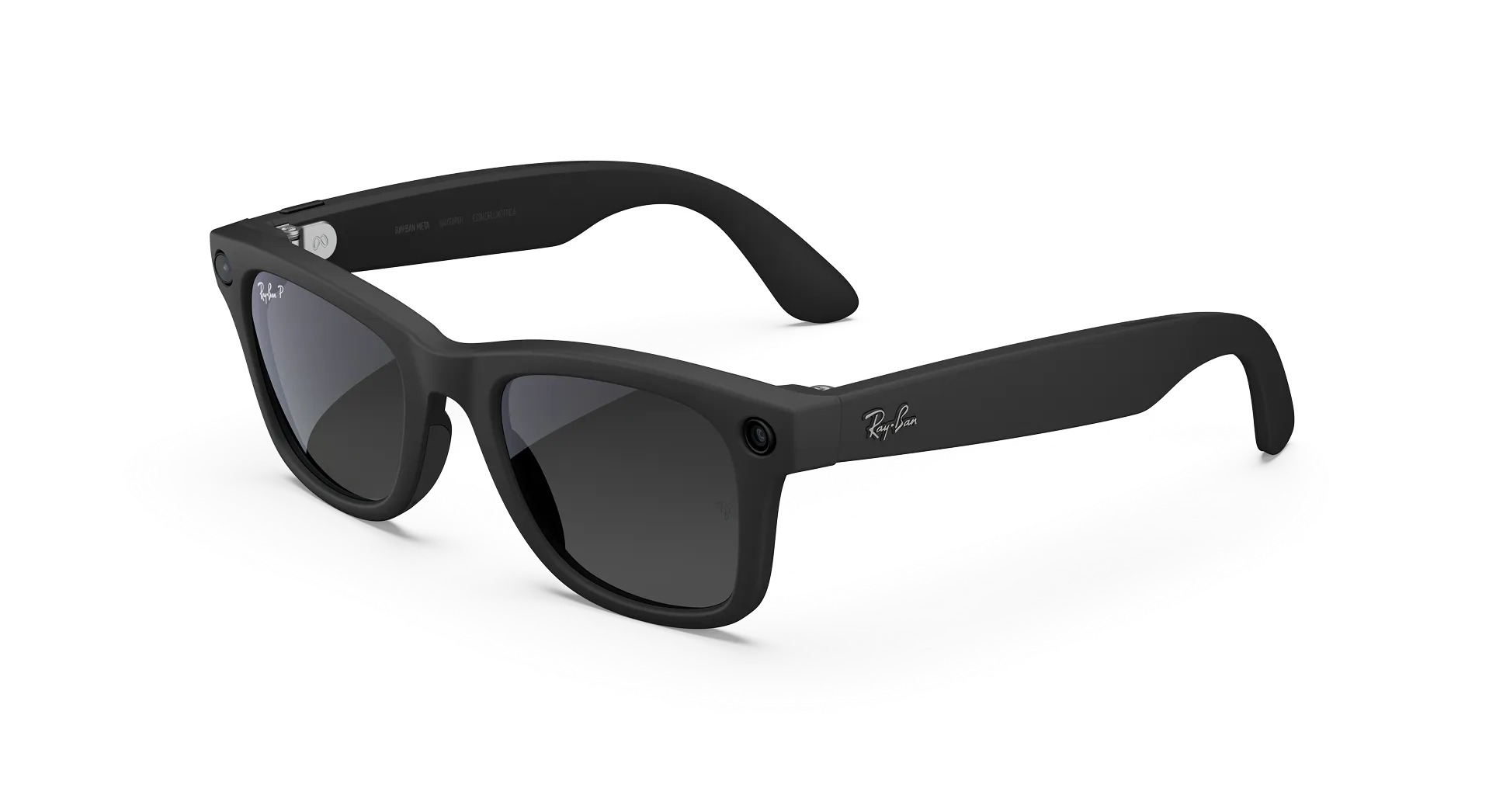
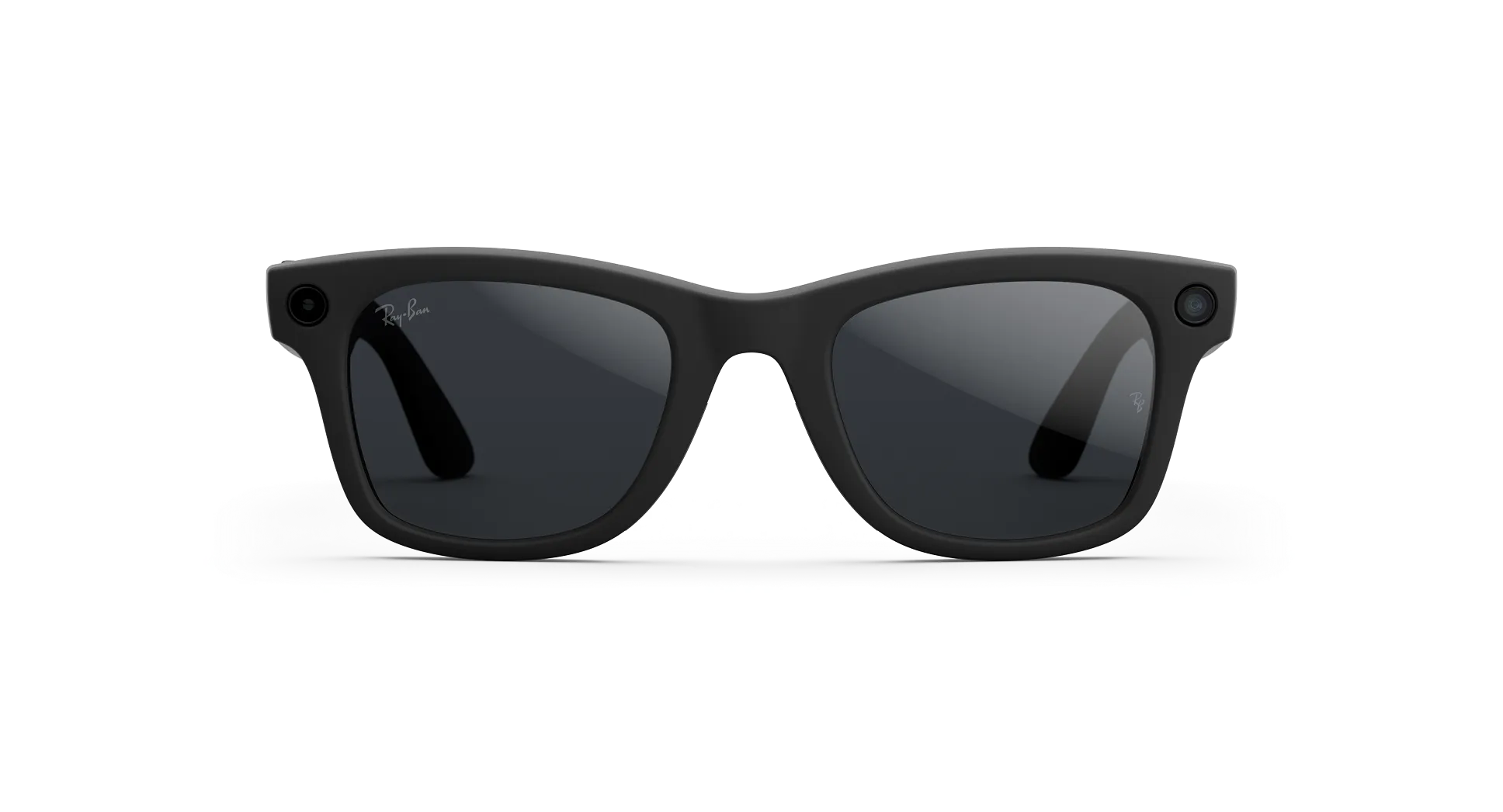
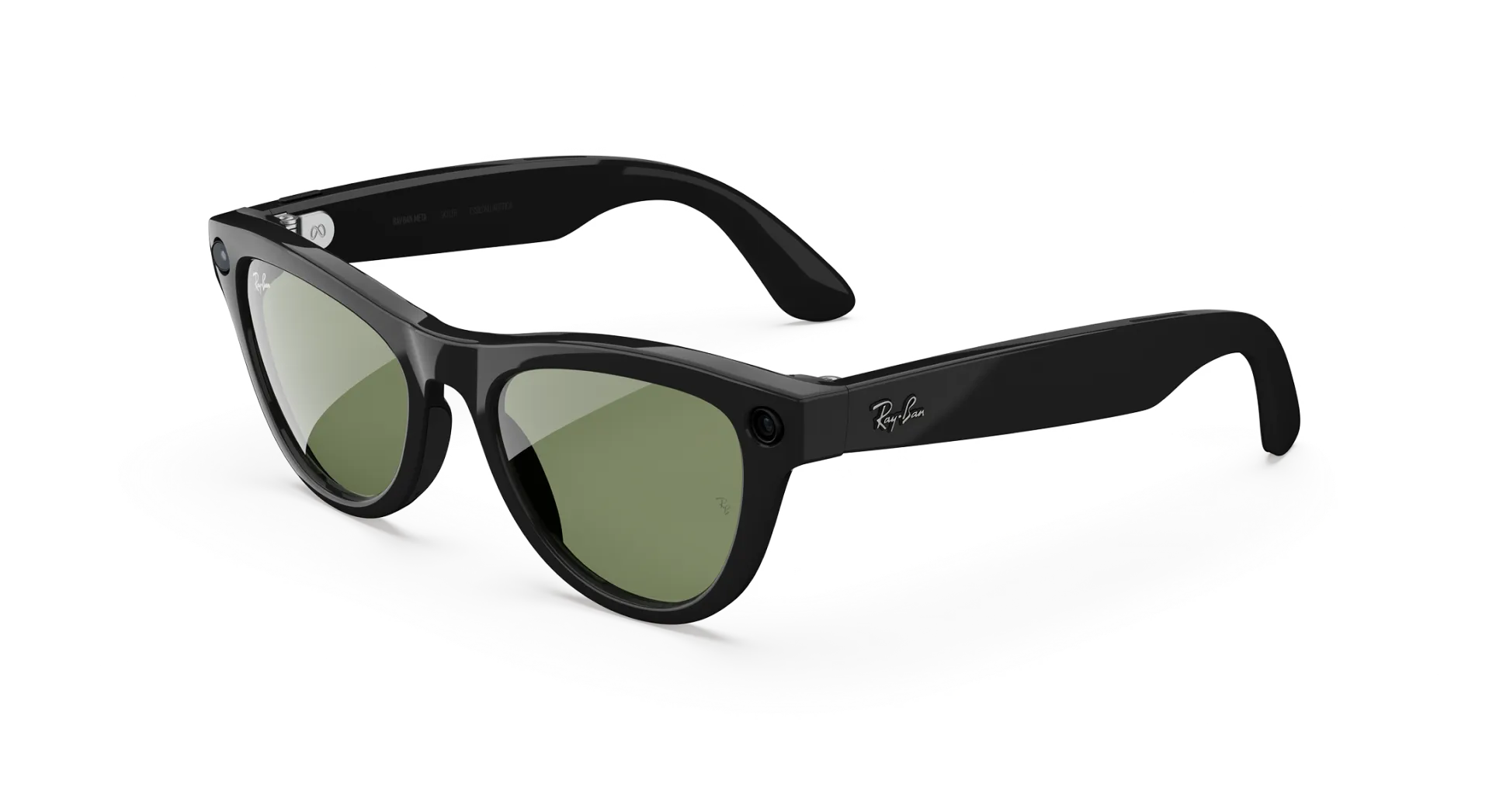
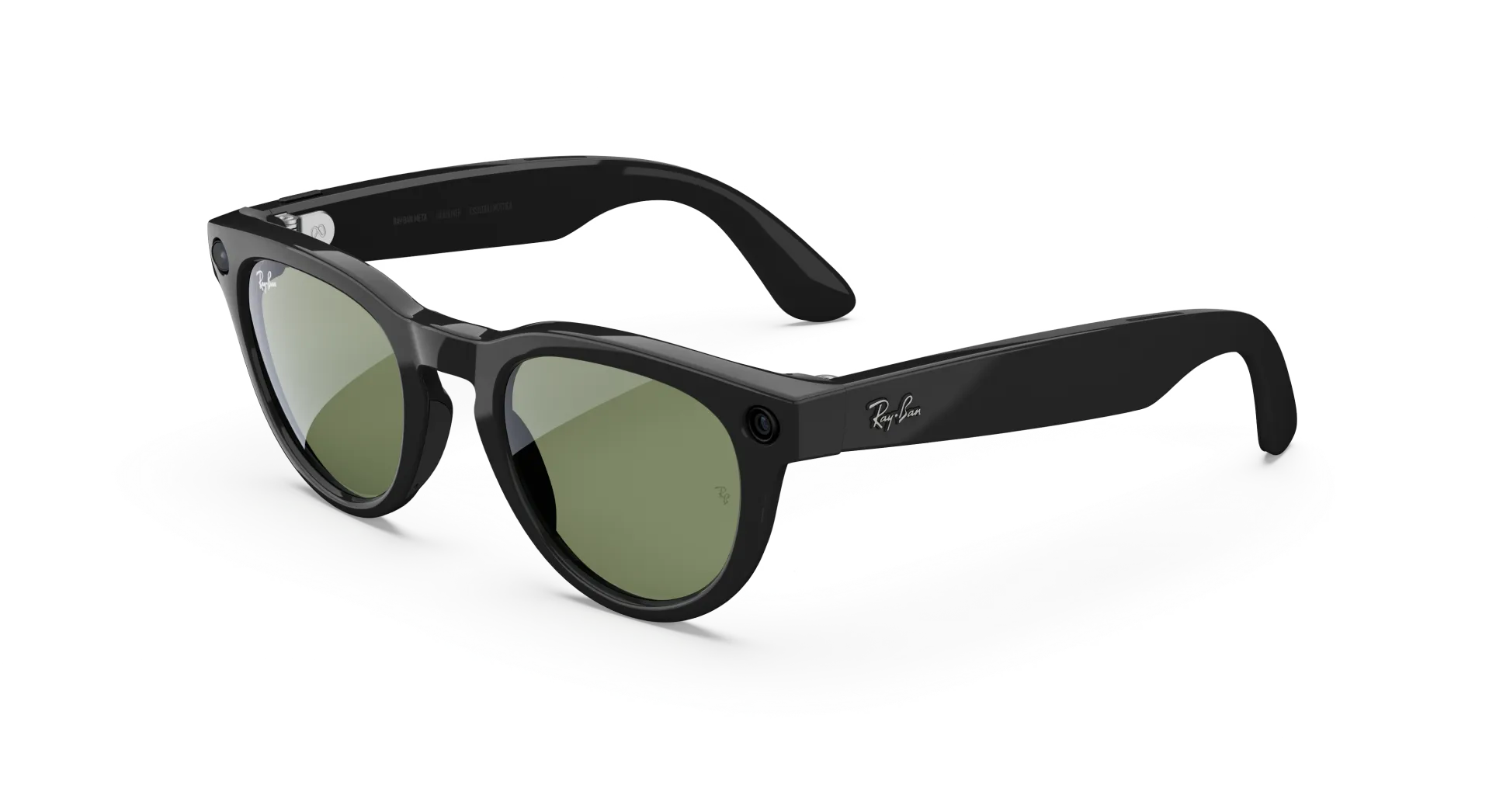
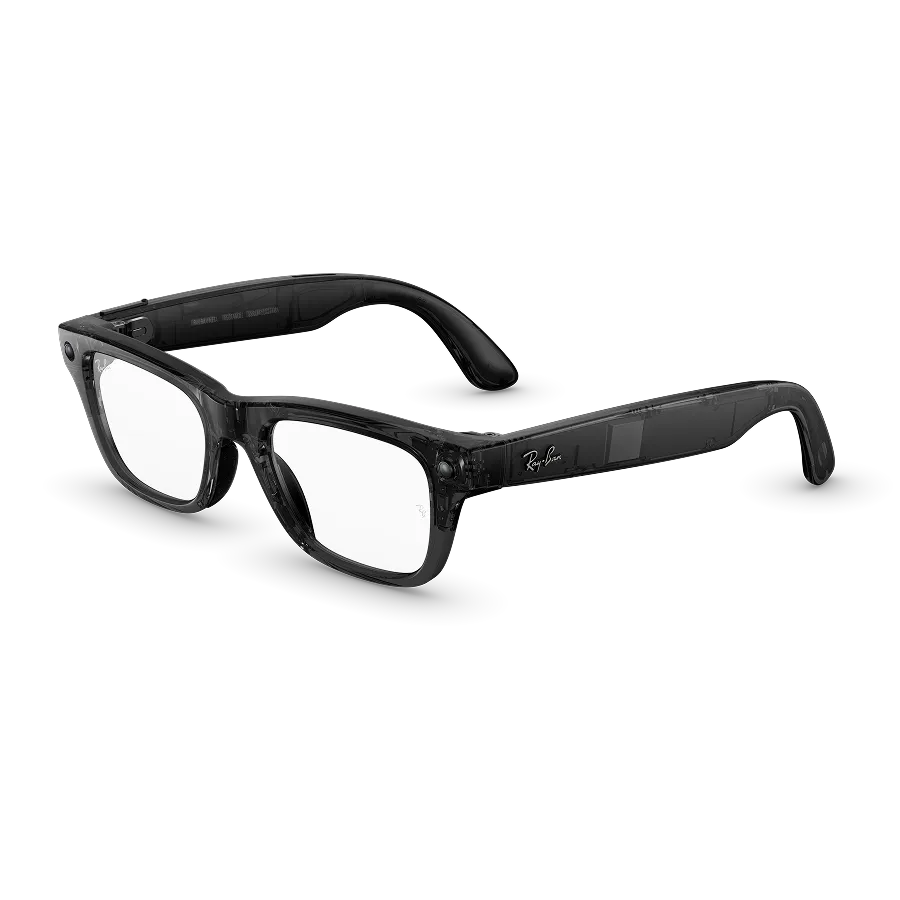
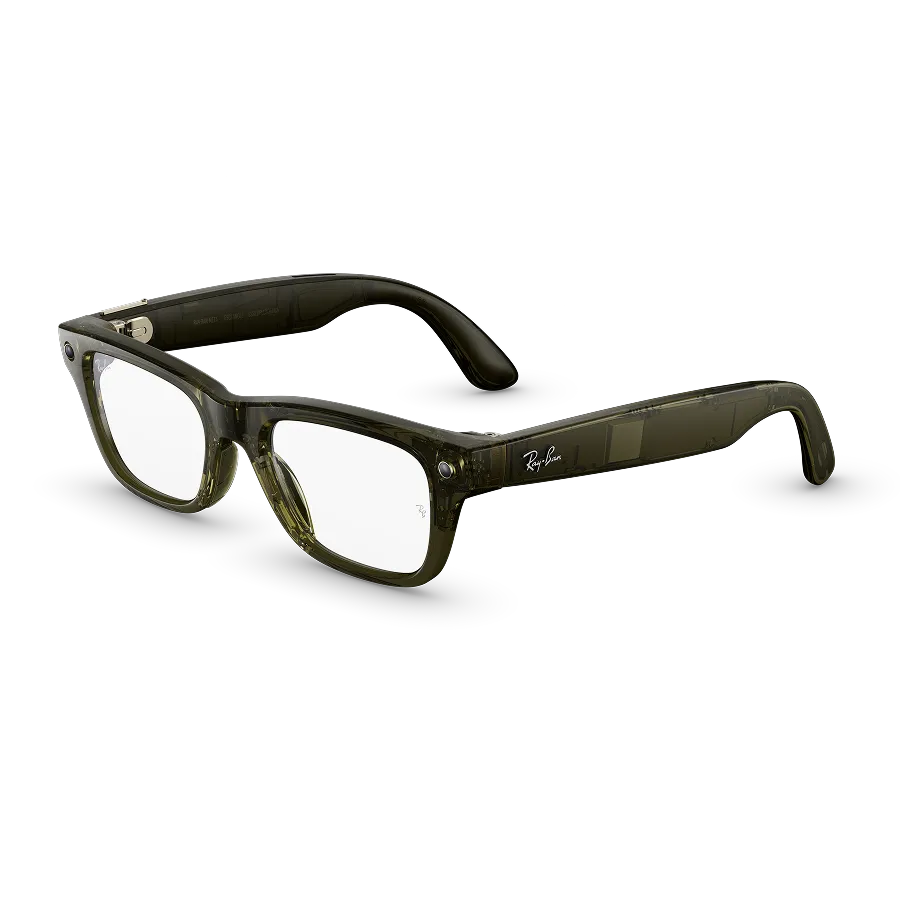
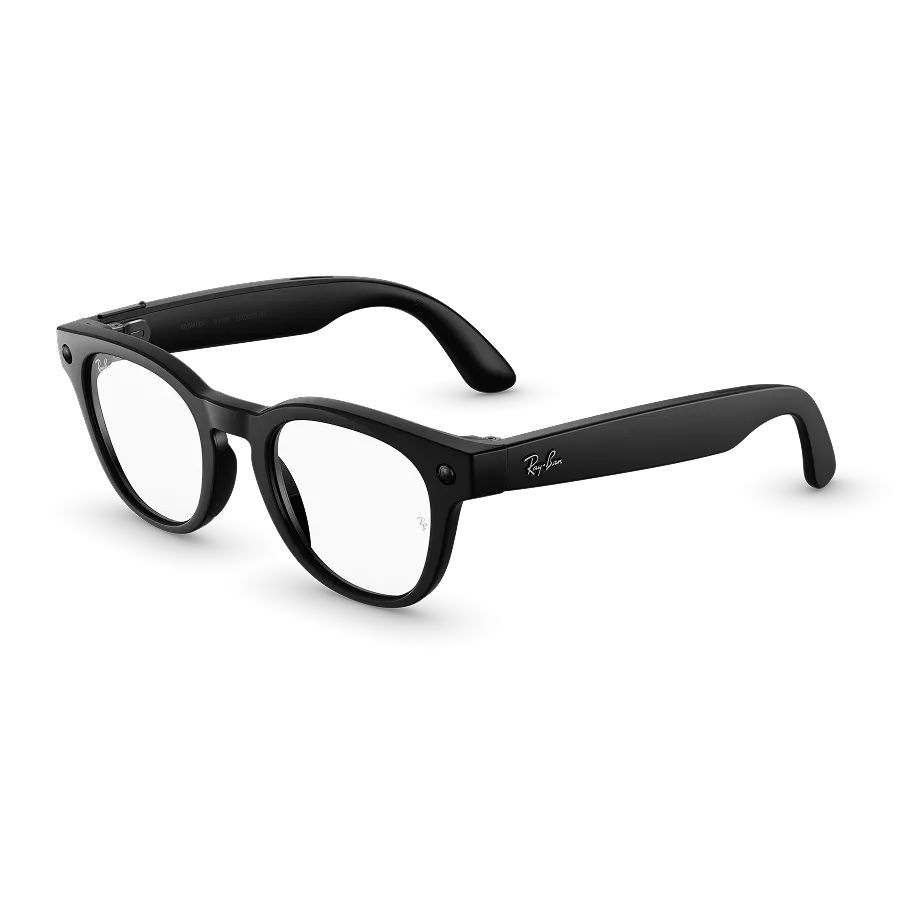
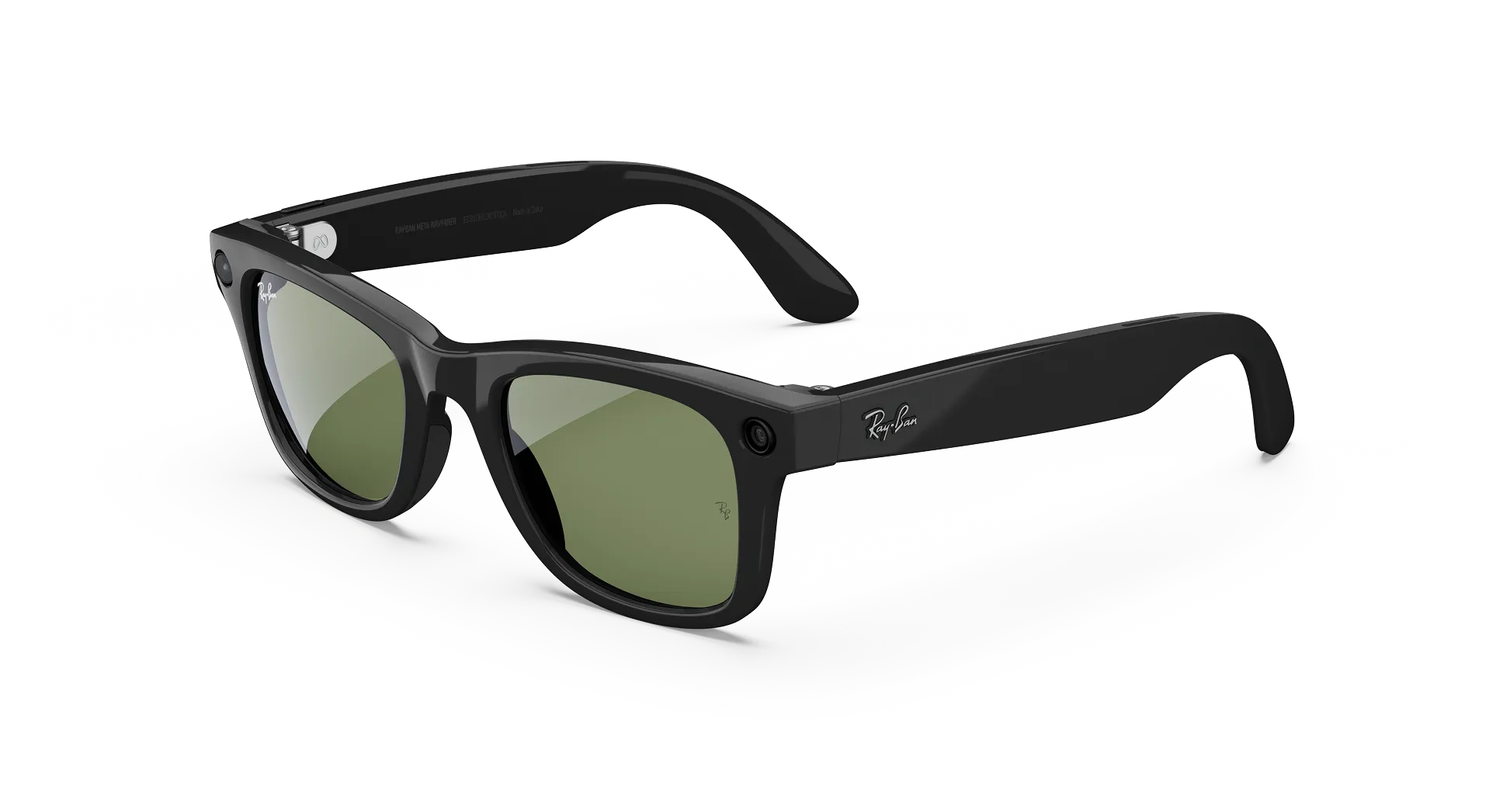
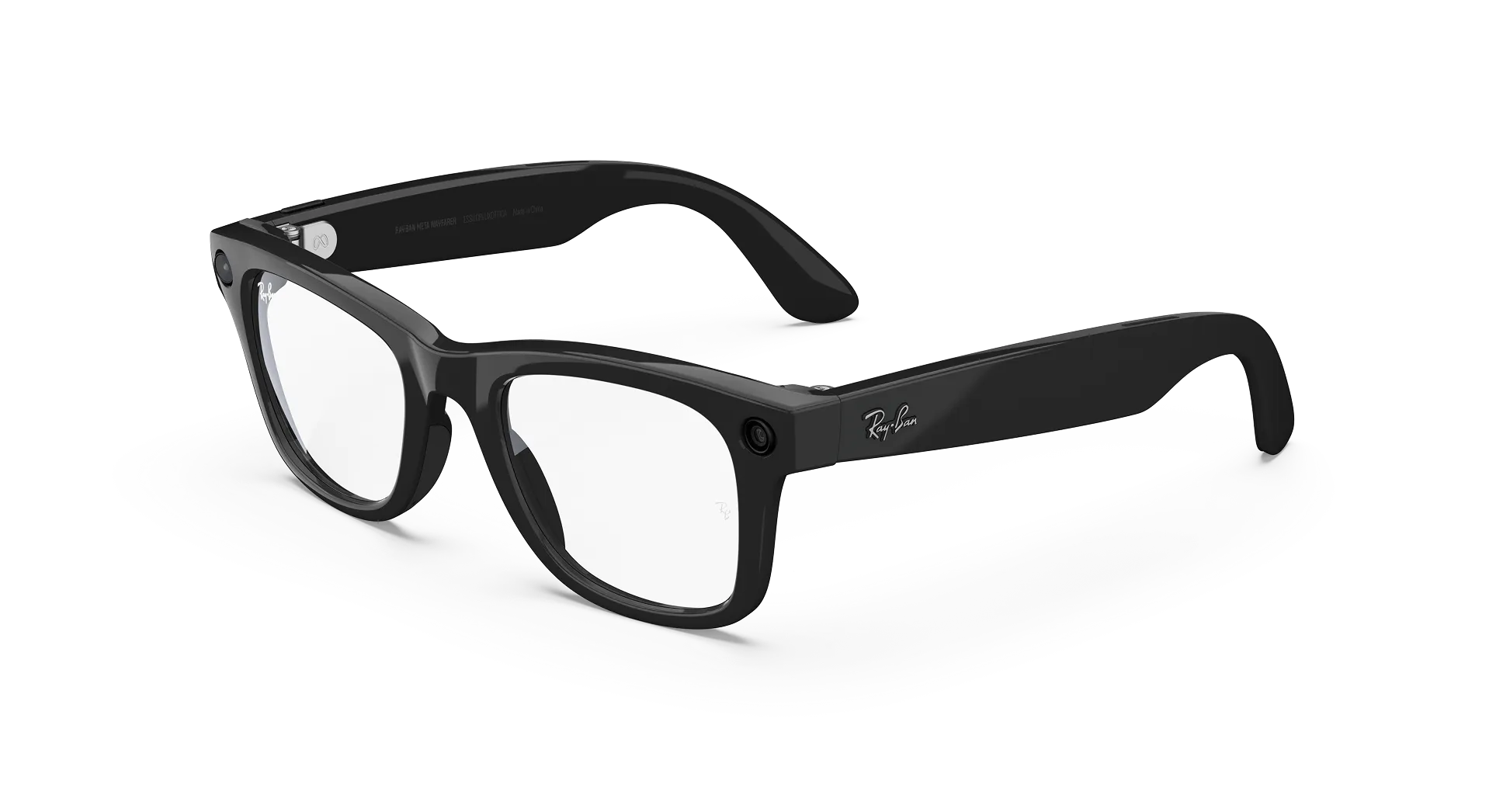
- Meta’s cheapest glasses yet: what the plug-in case changesMeta has lowered the entry price of its AI glasses by removing exactly one thing: the battery case. What you lose, what stays the same, and whether it is worth the wait.
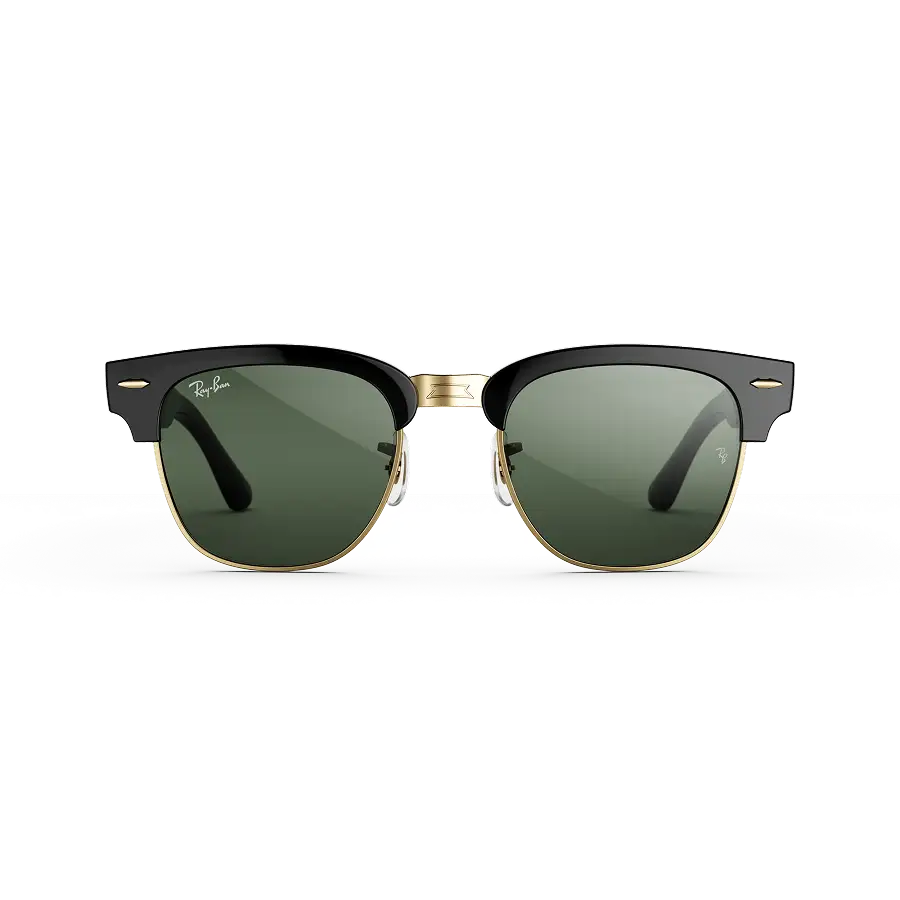
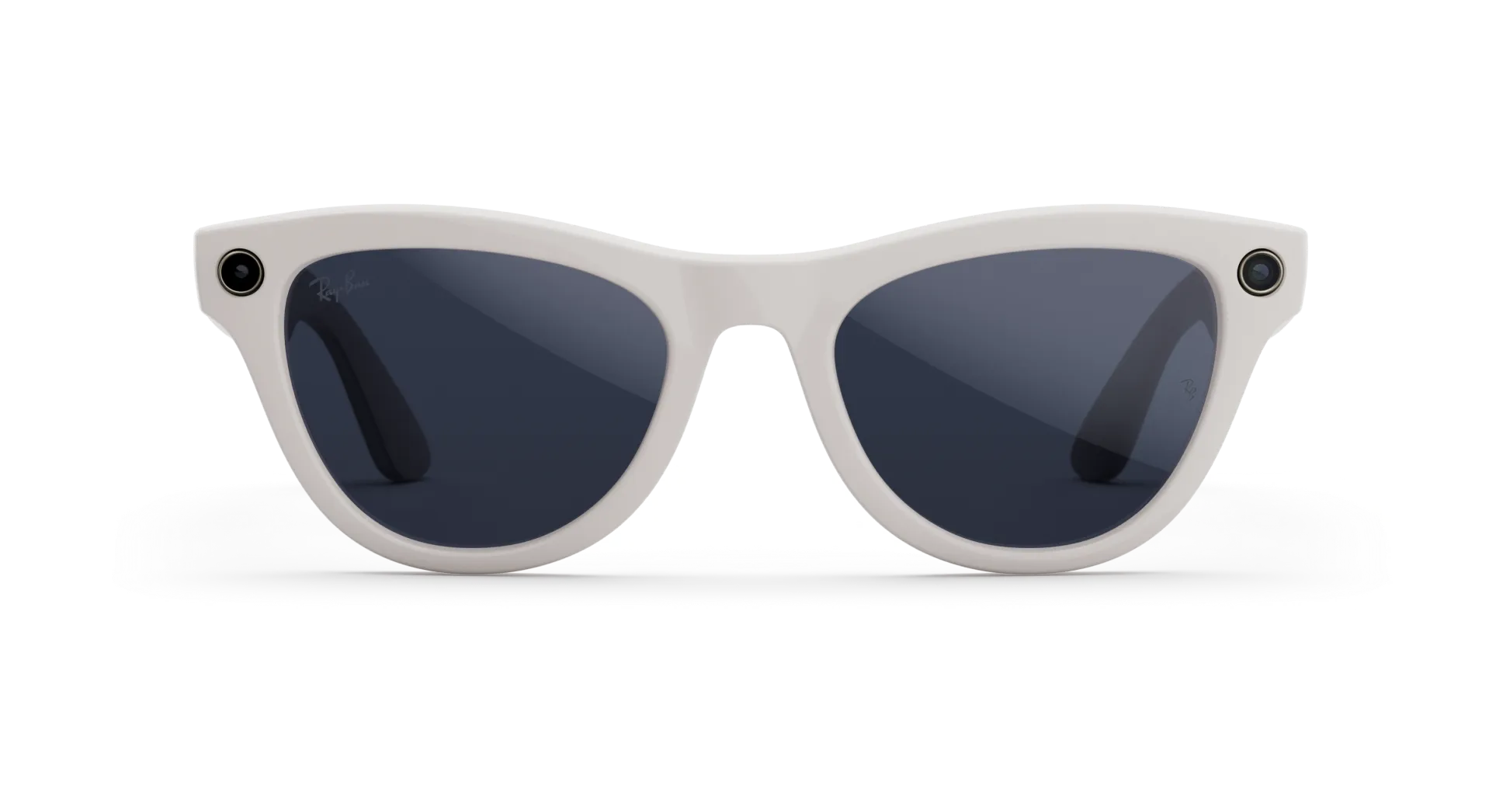
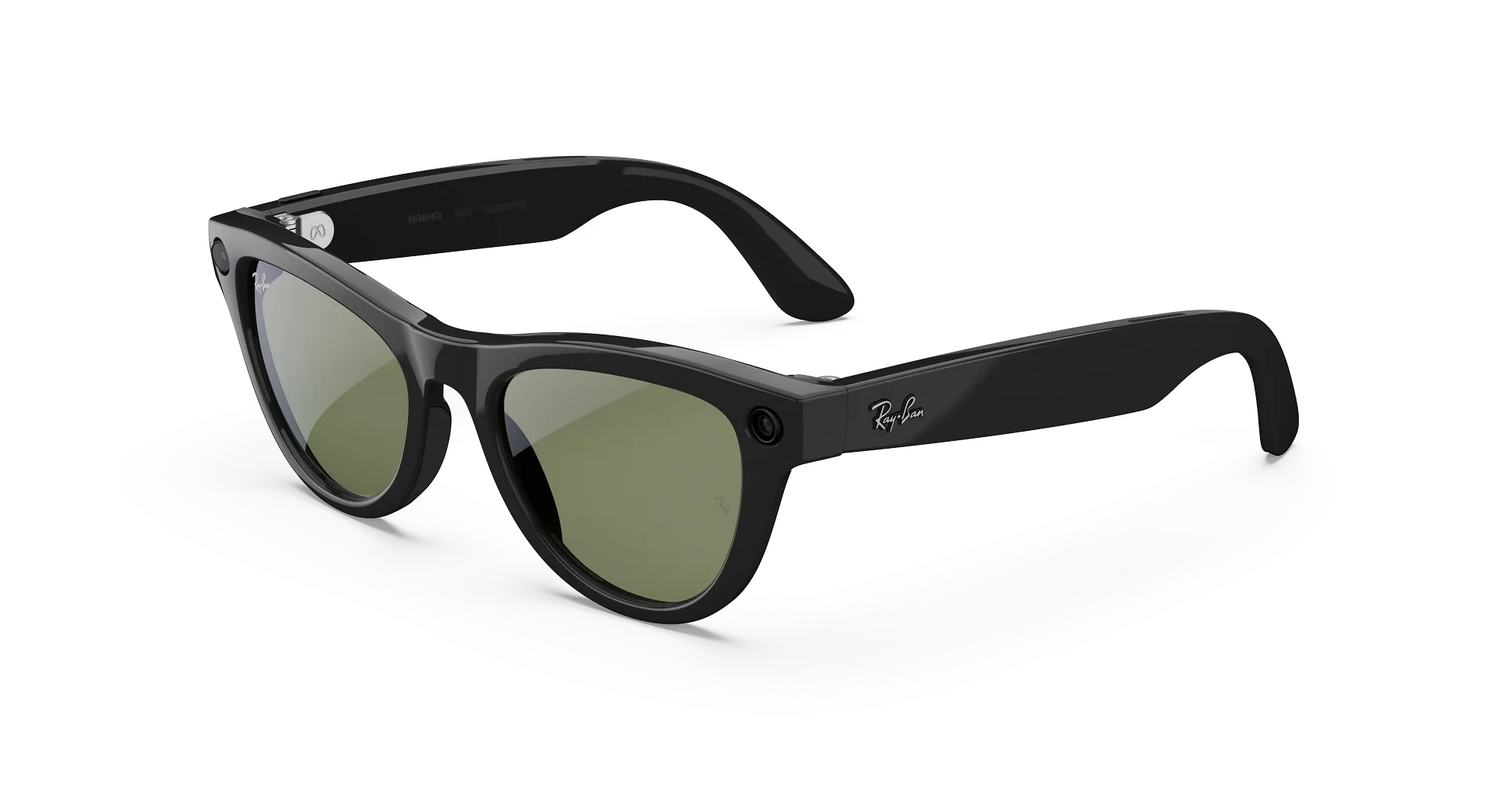
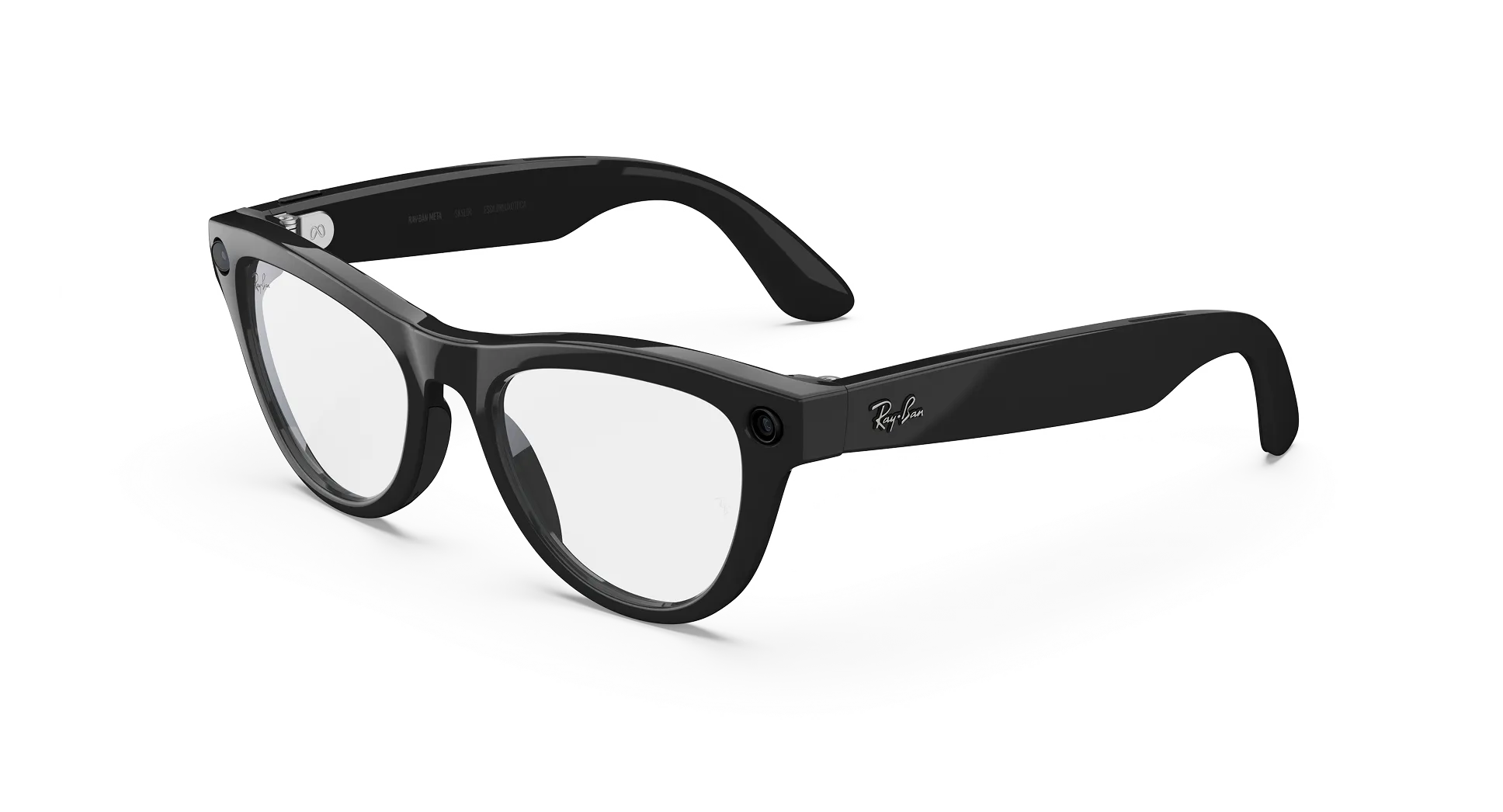
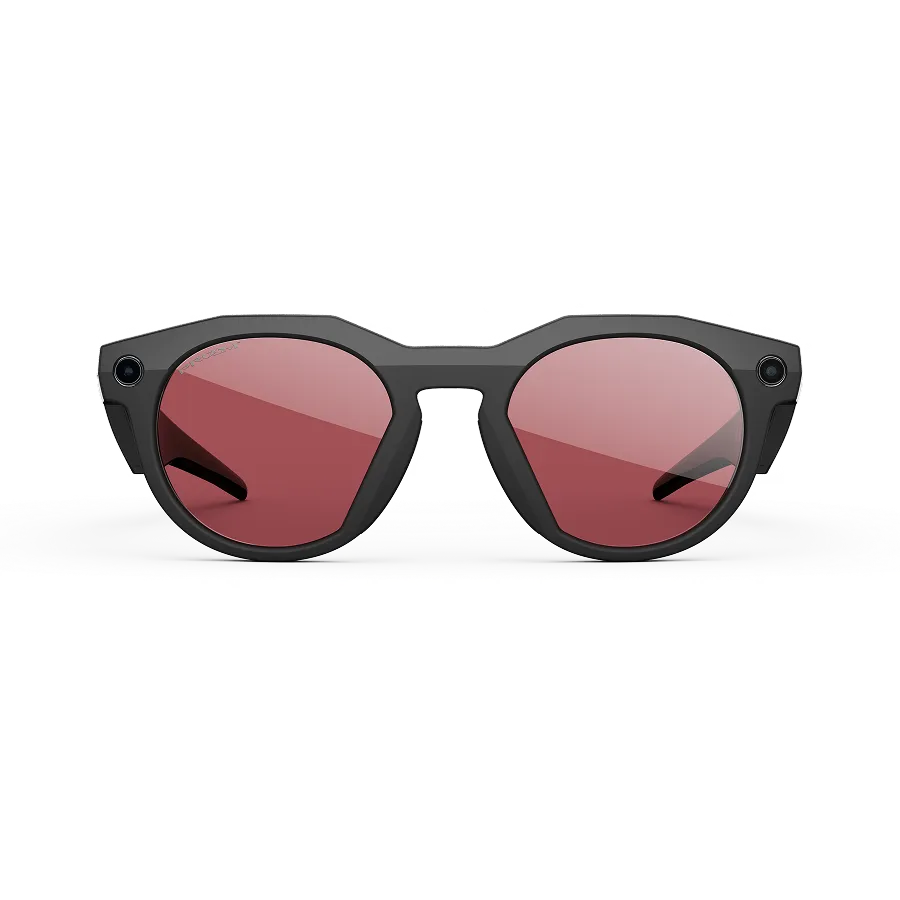
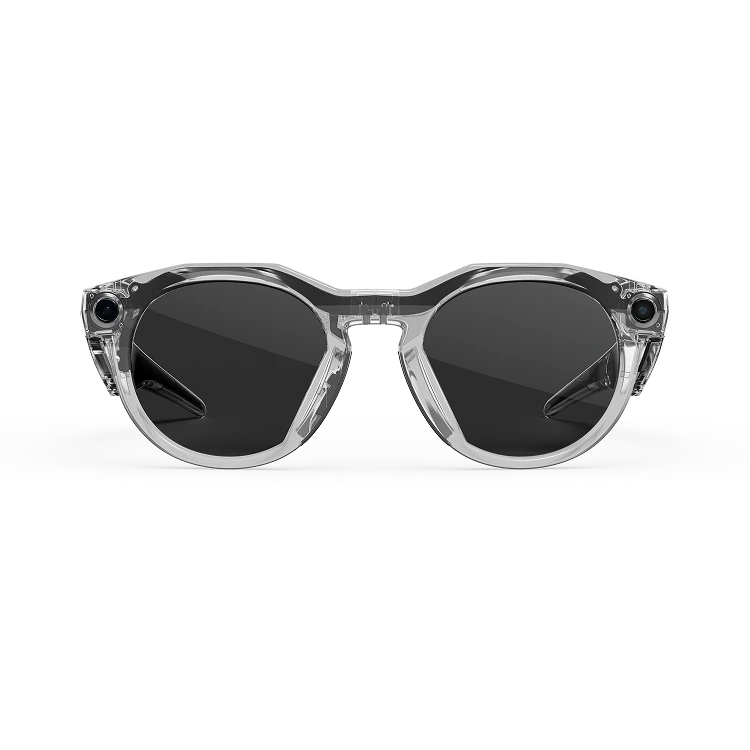
- Everything Meta announced at Connect 2026Ray-Ban Meta Gen 3, the camera-free Audio line, Meta Nova and Capri, the VR Glasses and the Muse Charm. What you can buy today, at what price, and what is only an announcement.
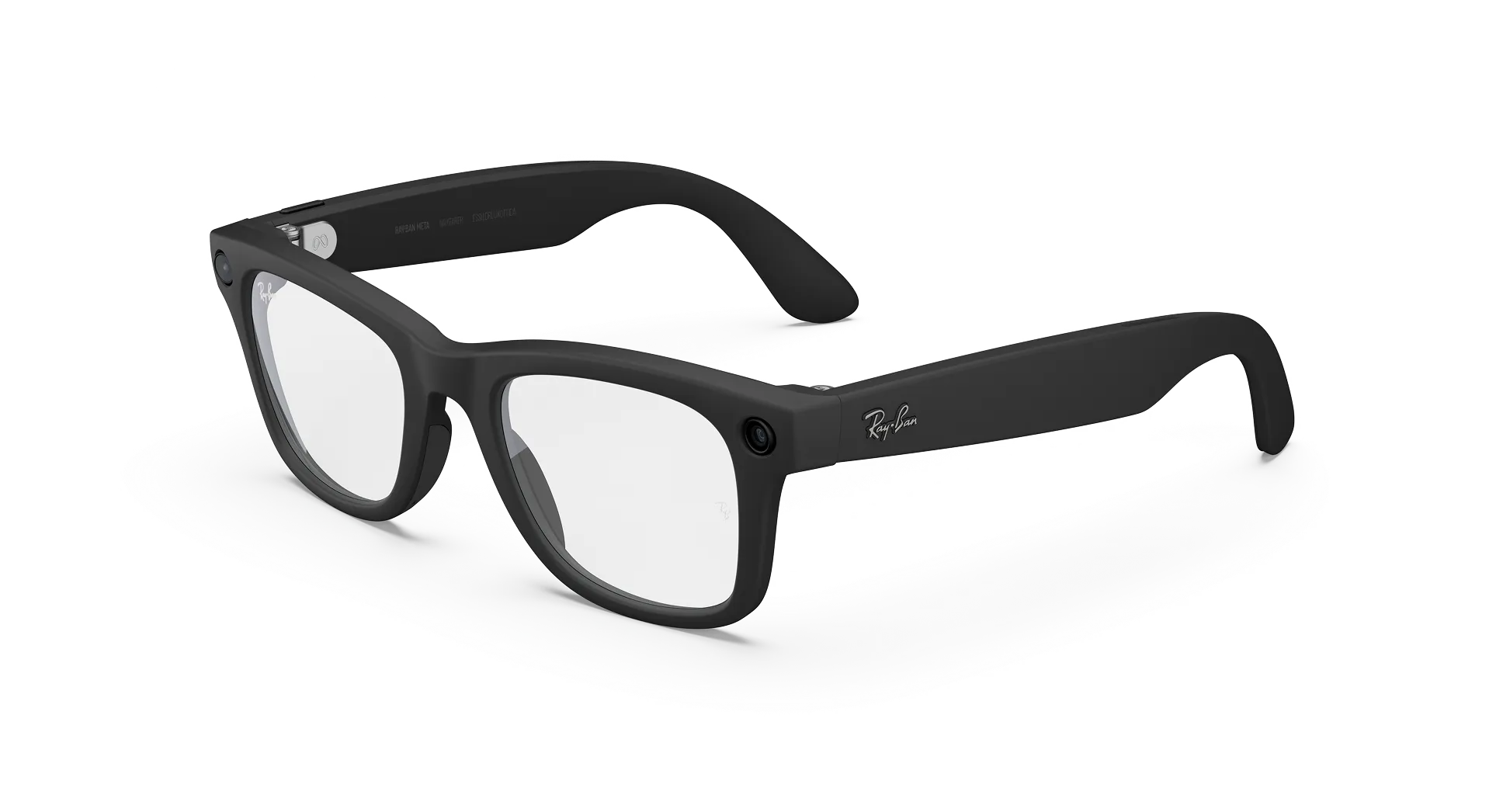
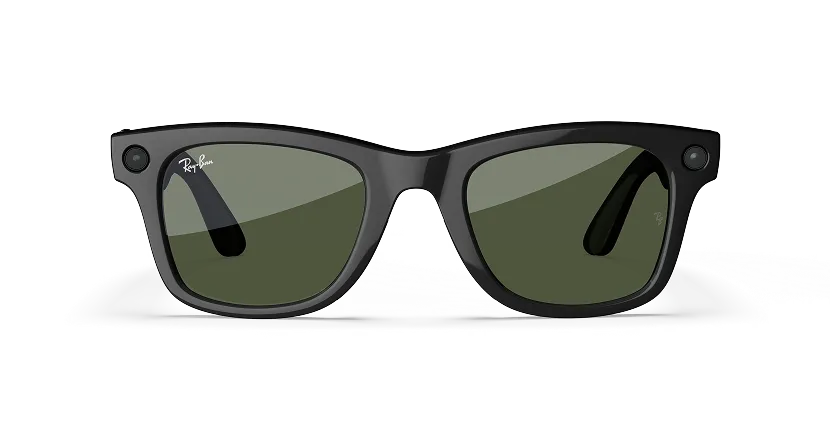
- Ray-Ban Meta Gen 1, Gen 2 or Gen 3: which one to buyThree generations on sale at once. What really changes between the Gen 2 and the Gen 3, when the Gen 1 makes sense, and which one I would buy today.
- Ray-Ban Meta Gen 2 vs Gen 3: all the differencesExactly what changes between the Ray-Ban Meta Gen 2 and the Gen 3, what stays the same, and whether the difference is worth paying. With verified official prices.
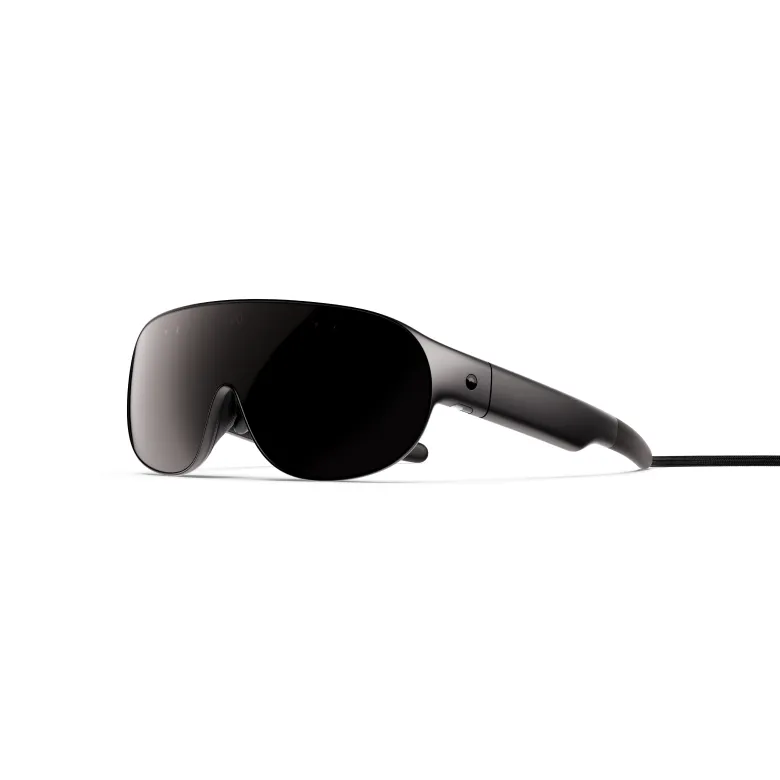
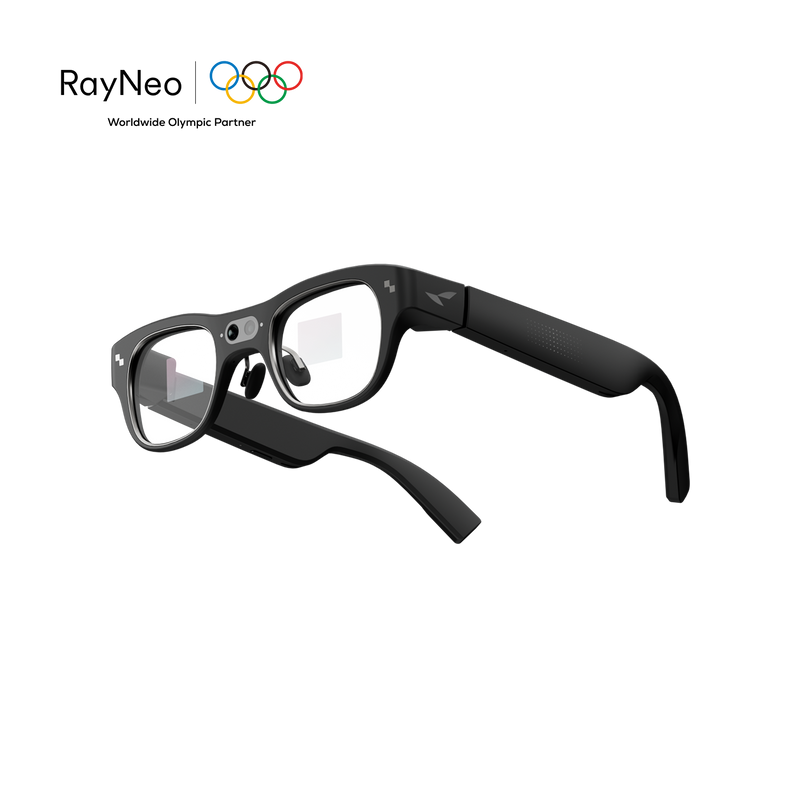
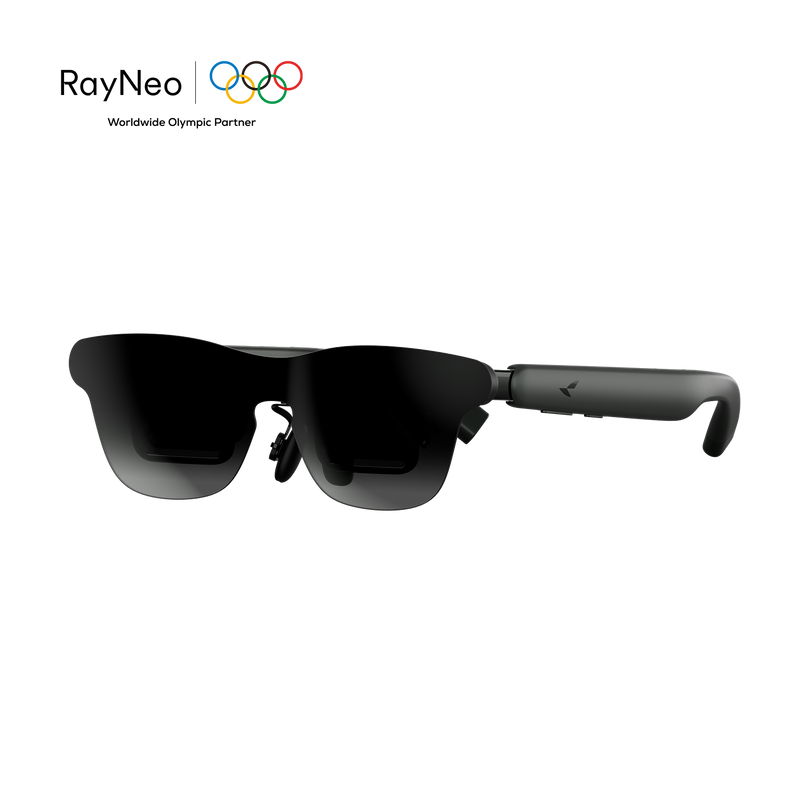
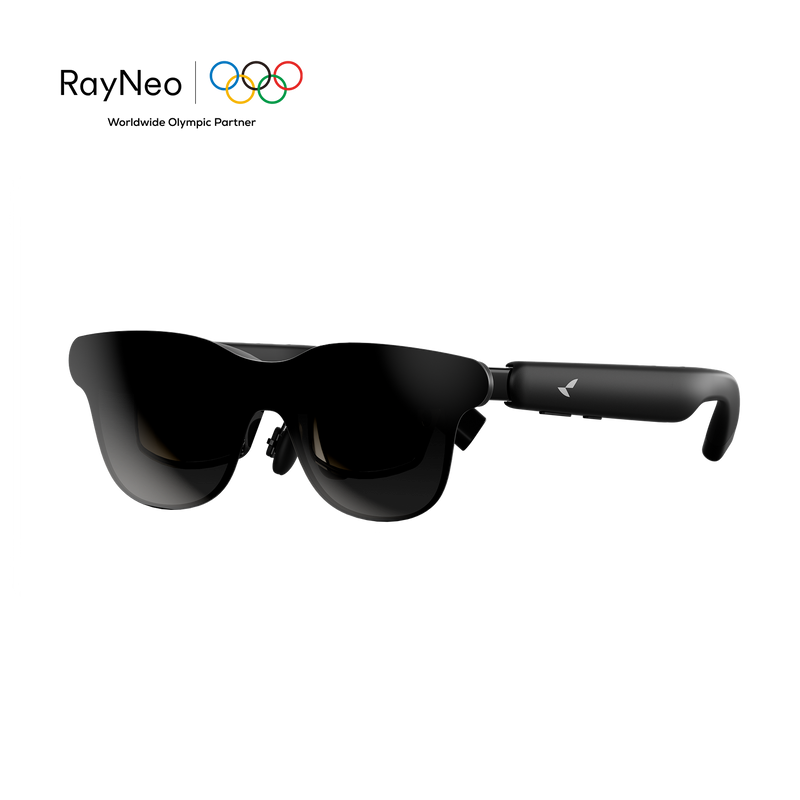
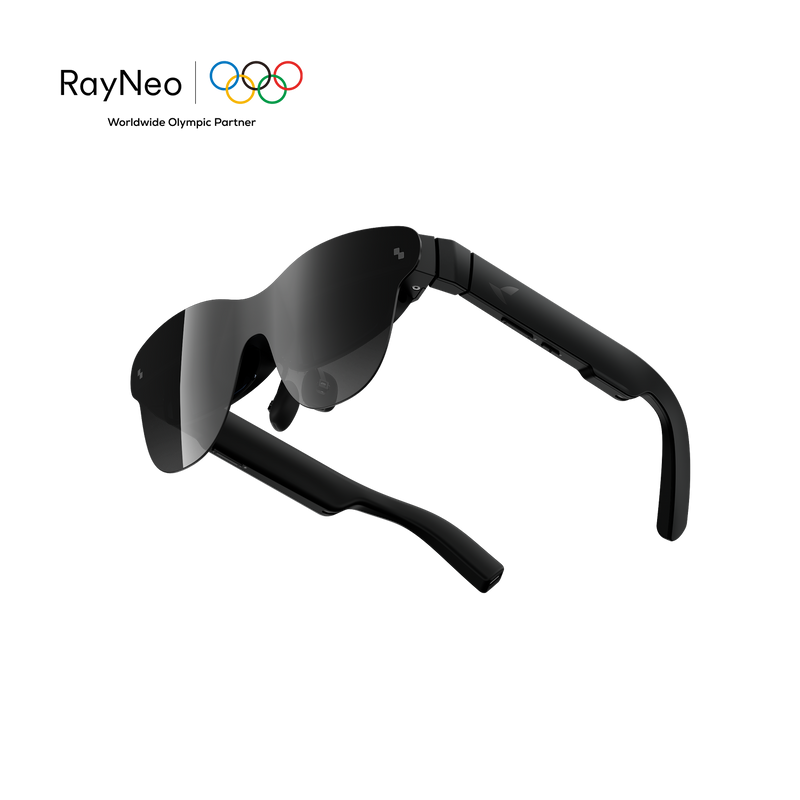
- RayNeo iO vs Ray-Ban Meta Gen 3: which one to buyThe two newest smart glasses on the market do opposite things: one has a display and no camera, the other has a camera and no display. Full comparison.
- Black Friday 2026 for AI glasses: how to buy well and which models to watchBlack Friday falls on 27 November 2026. Which models to watch, how to tell a real deal from an invented one, and where to buy with a proper warranty. This page will be updated with the real offers.