Halliday G2 vs Xiaomi AI Glasses

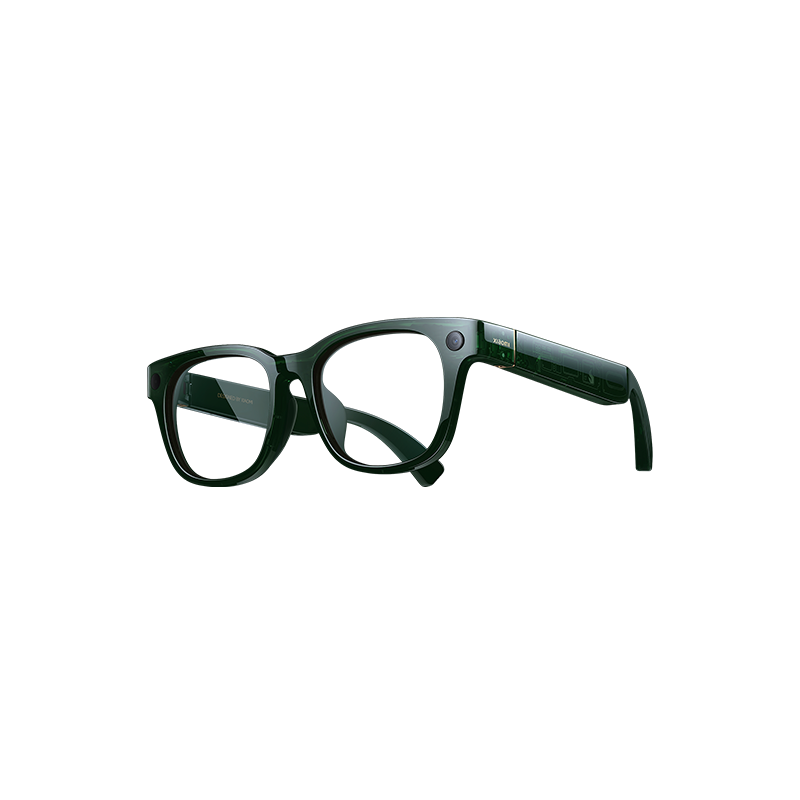
Xiaomi AI GlassesHigher score
8.9out of 10
Official price: from 1999 ¥ (official price in China; not sold in Europe)
Read the full review| Halliday G2 | Xiaomi AI Glasses | |
|---|---|---|
| Glaiss score | 8.4 | 8.9 |
| Launch price | 599 $ | 1999 ¥ |
| Weight | 49 g | 40 g |
| Type | AI with display | Not available in the EU |
| Display | Binocular microLED waveguide, 600 × 300 per eye, up to 1600 nits | No display |
| Field of view | 25° | — |
| Camera | No camera | 12 MP, 2K video at 30 fps |
| Battery | 12 h | 8.6 h |
| AI | Halliday’s own assistant | Super Xiao AI (Chinese only) |
| Translation | Over 45 languages in the translation feature | Real-time translation, built around Chinese |
| English | Assistant speaks English · confirmed by the manufacturer | Assistant does not work properly in English |
| Seller warranty | 1 year | — |
Which should you buy?
What decides this is not the score, it is the display. Halliday G2 shows information on the lens, while Xiaomi AI Glasses shows nothing and answers through the speakers. Reading is far faster than listening, but you pay for it in battery, price and discretion.
Xiaomi AI Glasses wins the overall score by 0.5 points, but that score averages six criteria and you will only use some of them.
Battery is not close: Halliday G2 lasts 12 hours against 8.6 h for the Xiaomi AI Glasses. The reason is the camera: recording is what drains the cell.
Xiaomi AI Glasses has a camera and Halliday G2 does not. If you want to capture without reaching for your phone, the comparison ends there.
Only Halliday G2 has manufacturer-confirmed support for your language. That changes daily use more than any spec, and most comparison sites skip it.
Xiaomi AI GlassesHigher score
8.9out of 10
Official price: from 1999 ¥ (official price in China; not sold in Europe)
Read the full review